Scoliosis

Scoliosis is a spinal disorder in which the spine curves abnormally to the side. Instead of appearing straight when viewed from the back, the spine may form an “S” or “C” shape. The severity can range from mild, often requiring only monitoring, to severe, which may need corrective treatment. Early detection is key to effective management.

scoliosis-3

Common Symptoms of Scoliosis

  • Uneven shoulders or shoulder blades
  • One hip appearing higher than the other
  • Visible curvature of the spine
  • Leaning to one side while standing
  • Back pain or stiffness (more common in adults)
  • Clothing that doesn’t fit or hang evenlyDiagnosis and Treatment of Spine Conditions
doctor-with-patient-s-x-ray-film (1)

Diagnosis:

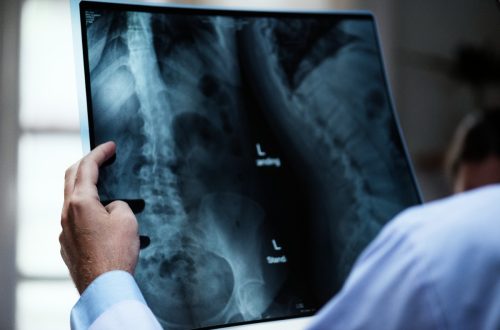
  •  Physical Examination: The doctor evaluates posture, spinal alignment, and flexibility to detect abnormal curves or deformities.
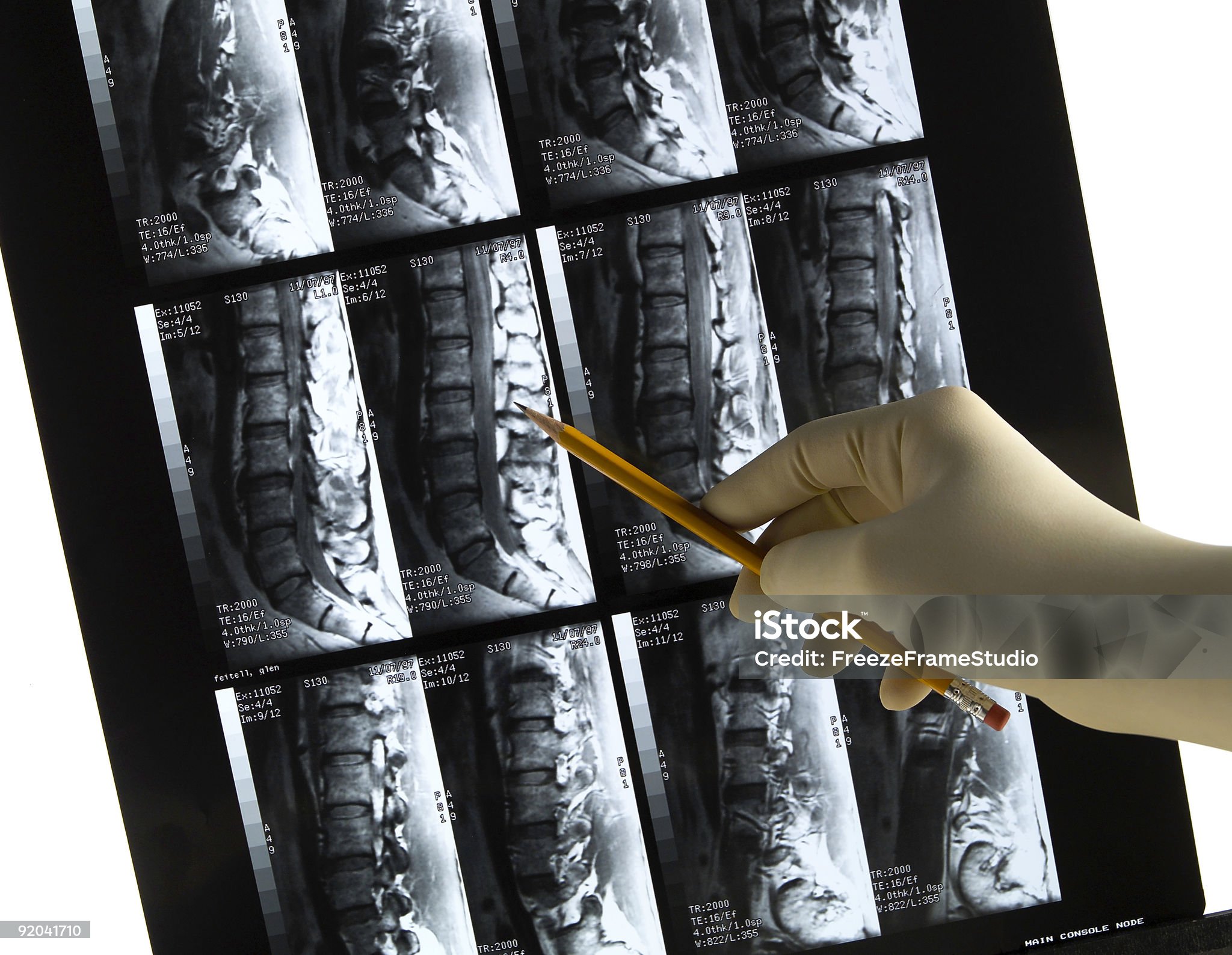
  • Imaging Studies: X-rays, MRI, or CT scans are used to determine the severity of spinal conditions and guide treatment plans.

Treatment Options:

  • Observation: Mild cases, particularly in growing children, are monitored regularly to track changes.
  • Bracing: Helps prevent progression of spinal curves in children and adolescents.
  • Surgery: Recommended in severe cases to correct deformities, relieve nerve pressure, or stabilize the spine.

Kyphosis Overview

Kyphosis is a condition where the upper spine curves excessively outward, creating a rounded or hunched back. While a slight forward curve is normal, a curve greater than 50 degrees can lead to discomfort or functional issues.

Types of Kyphosis:

  • Postural Kyphosis: Most common, caused by poor posture. Often painless and flexible, seen in teens and young adults.
  •  Scheuermann’s Kyphosis: Structural vertebral deformity in adolescents, causing a rigid curve and possible pain or stiffness.
  • Congenital Kyphosis: Present from birth due to spinal malformation; may require surgery as it worsens over time.
  • Degenerative Kyphosis: Occurs in older adults due to aging, arthritis, or vertebral fractures.

Common Symptoms:

In severe cases, breathing difficulties or nerve issues
istockphoto-92041710-2048x2048

Book Your Consultation Today

Take charge of your health schedule an appointment with our specialists and begin your journey to recovery.

Call Now Button